Friday, May 13, 2016


Theory, Research, and Action in Urban Education (TRAUE), an open-access, peer-reviewed online journal published by doctoral students and recent graduates of the Graduate Center of the City University of New York
Journal: Theory, Research, and Action in Urban Education (TRAUE):
Volume IV, Issue 2, Spring 2016
Theory, Research, and Action in Urban Education (TRAUE), an
open-access, peer-reviewed online journal published by doctoral
students and recent graduates of the Graduate Center of the City
University of New York, is pleased to announce the launch of TRAUE
Volume IV, Issue 2!
Read the new issue here: http://traue.commons.gc.cuny.
This journal is one of very few that features original work by
emerging scholars. TRAUE also serves as a forum in which youth, public
school students, educators, community groups, and parents debate
issues of educational practice and policy.
We publish articles, reviews, policy briefs, and notes from the field
that critically and politically engage with issues of equity in urban
schools and communities. We value theory, research, and action that is
political and undertaken in collaboration with schools and
communities. Our mission is to develop and share tools for imagining
and enacting sustainable, systemic educational and social equity.
Submissions to this journal should advance social and educational
equity, have a strong theoretical grounding, and be well written with
fully developed ideas.
Are you a doctoral student interested in publishing in TRAUE? Visit:
http://traue.commons.gc.cuny.
Volume IV, Issue 2, Spring 2016
Theory, Research, and Action in Urban Education (TRAUE), an
open-access, peer-reviewed online journal published by doctoral
students and recent graduates of the Graduate Center of the City
University of New York, is pleased to announce the launch of TRAUE
Volume IV, Issue 2!
Read the new issue here: http://traue.commons.gc.cuny.
This journal is one of very few that features original work by
emerging scholars. TRAUE also serves as a forum in which youth, public
school students, educators, community groups, and parents debate
issues of educational practice and policy.
We publish articles, reviews, policy briefs, and notes from the field
that critically and politically engage with issues of equity in urban
schools and communities. We value theory, research, and action that is
political and undertaken in collaboration with schools and
communities. Our mission is to develop and share tools for imagining
and enacting sustainable, systemic educational and social equity.
Submissions to this journal should advance social and educational
equity, have a strong theoretical grounding, and be well written with
fully developed ideas.
Are you a doctoral student interested in publishing in TRAUE? Visit:
http://traue.commons.gc.cuny.
International Society for Language Studies 2017 Conference June 15-17, 2017 University of Hawai‘i - Manoa, Honolulu, Hawai‘i, USA CALL FOR PROPOSALS
International Society for Language Studies 2017 ConferenceJune 15-17, 2017University of Hawai‘i - Manoa, Honolulu, Hawai‘i, USACALL FOR PROPOSALS
The International Society for Language Studies, co-sponsored by the University Hawai‘i - Manoa, will hold a conference from June 15-17, 2017 at the University of Hawai‘i – Manoa in Honolulu. The theme of the conference will be “Intersections of Peace and Language Studies.” The paper proposal submission will open on the ISLS website (http://www.isls.co/conference.php) in April 2016, and conclude on November 30, 2016. Submissions will not be accepted after the November 30th deadline. Notification of proposal acceptance or rejection will be sent by January 15, 2017. All presenters who have not registered for the conference by February 28, 2017 will not be scheduled in the conference program. Selected conference papers will be published by ISLS in the Readings in Language Studies peer-reviewed book series in 2018.
About the Theme
Peace is often defined as freedom from oppression, the end of conflict or even harmony in relationships. Whatever the definition, the word peace means different things to different people. Peace is an important concept that also connects to the focus of ISLS: the intersections and meeting places of language and power, identity, and social justice. It is in this light that we invite proposal submissions that specifically address some aspect of this focus and its intersection with the concept of peace.
The ISLS conference is a venue for individuals from all disciplines to come together and discuss language from a critical, interdisciplinary lens (language use, language learning, language teaching, critical language studies, to name a few). To that end, we encourage submissions from across fields of study where their work connects language to peace.
In order to provide a guide and structure to the theme, the following represent possible key words (called strands and elaborated below) to describe your proposed session.
Strands
Discourse & Peace
Language & Peace in the Professions & Workplace Language, Peace & K-12 Education
Language, Peace & Higher Education/Adult Education Language Policy & Peace
Language, Culture & Peace
Researching Peace in Language Studies
Other
Explanation of Strands
Discourse and Peace
This strand should be used to describe original research on issues of discourse and peace in language and literacy research. Individual proposals may focus on: the relationship between language practices and peace; peace within particular linguistic spaces; the influence of contexts on language learners and peace; bridging peace and SLA theory; and related areas of inquiry.
Language & Peace in the Professions and Workplace
This strand should be used to describe proposals that investigate intersections of peace & language, as it relates to research, teaching, and professional and workplace practice. Papers may focus on areas such as: language use in these contexts as it relates to peace; language analysis as it relates to peace (theoretical and applied phonology, morphology, syntax, semantics, and discourse analysis); or language processing at it relates to peace (computational linguistics, neurolinguistics, psycholinguistics, etc.).
Language, Peace & K-12 Education
This strand should be used to describe proposals that address critical theory/pedagogy, research, policy or other critical aspects of language and K-12 teaching and learning within the context of peace. Papers may include topics such as: curriculum & instruction; assessment; K-12 teacher preparation and in-service teacher development; service-learning; and other matters related to culturally and linguistically diverse learners.
Language, Peace & Higher Education/Adult Education
This strand should be used to describe proposals that address critical theory/pedagogy, research, policy or other critical aspects of language and higher education/adult teaching and learning within the context of peace. Papers may include topics such as: curriculum & instruction; assessment; teaching adult language learners; adult professionals; linguistically diverse college students; among many other topics.
Language Policy & Peace
This strand should be used to describe proposals that address issues related to language policy within the context of peace. Interdisciplinary studies are encouraged and research utilizing a variety of methodologies is sought. Papers may focus on: language policy formation; language planning; language rights; language education policy; and other related areas of study in complex, multilingual societies. Empirical studies contributing to theories of language policy and the identification of emergent issues related to identity are welcome.
Language, Culture & Peace
This strand should be used to describe proposals that address issues related to conceptualizations of language in the public imaginary. Papers may include topics such as: language variety and discrimination; the commodification of culture; and similar sociolinguistic concerns as they relate to peace.
Researching Peace in Language Studies
This strand should be used to describe methodological issues, tools, and/or processes used in researching intersections between language studies and peace.
Other
Not sure which strand best fits for your proposal? Choose this strand and the Conference Chairs will work to place your proposal with relevant papers in a session.
The on-line proposal system will open in April 2016 and will close on November 30, 2016.
For step-by-step instructions on the proposal process, go to the following webpage: http://www.isls.co/proposalprep2017.pdf.
Invitation to La Cosecha 2016 - Call for Proposal Closes Friday, May 13
Embracing our Roots — Fortaleciendo nuestra comunidad bilingüe
Dear Deb,
On November 9 - 12th more than 2,400 educators, parents, researchers, and practitioners supporting dual language education from across the country will convene in Santa Fe, New Mexico, for one of the countries leading dual language conferences — La Cosecha 2016! La Cosecha offers you the unique opportunity to share best practices, resources, and current theory, build networks, and fuel our community's efforts to build a better future for our children as we “harvest” the best of our multilingual and multicultural communities.
La Cosecha Four-Day Conference will Feature:
• More than 2,400 attendees
• Nationally renowned keynote and featured speakers
• 180 general and concurrent sessions
• Networking Events
• Student Leadership Institute
• Bilingual Education Directors Leadership Institute
• Top educational material publishers and exhibitors
Conference Strands Include: CCSS and ELL Instruction, Program Development, Early Literacy Development, Indigenous Language One-Way Programs, Biliteracy Development, Sheltering/Scaffolding Instruction, Early Childhood, Content and Language Integrations, Assessment and Accountability, Advocacy, Leadership, AIM4S3, STEM Education and more!

We invite you to join us and share your classroom teaching strategies, leadership, and experience while we network and share during this year's leading dual language conference La Cosecha! Call for Proposals is still open, but not for long, it will close tomorrow, May 13th.Don't miss your opportunity to share and learn from our dual language community. Click Register Online Now to join us in November, or for more information visit us online: http://www.dlenm.org/lacosecha.
Sincerely,
La Cosecha 2016 Planning Committee

Wednesday, April 13, 2016
[Hle] Global LEAD Event: Join us in CUBA for the FIFTEENTH INTERNATIONAL SYMPOSIUM ON SOCIAL COMMUNICATION, SANTIAGO DE CUBA, JANUARY 23-27, 2017
|

Monday, April 11, 2016
[Lead] Celebrating Día (El día de los niños/El día de los libros) April 30
Join or learn more about LEAD activities, events or programs on any of our webpages, social networks, partnerships or education projects
a
nd help promote a broad-based awareness of the crisis in Latino Education and enhance the intellectual, cultural and personal development
of our community's educators, administrators, leaders, parents and students. Share our links and show your online community
that Latino education is the economic imperative of our time, and the civil rights issue of our generation. LEAD - Latino Education Projects
|


|

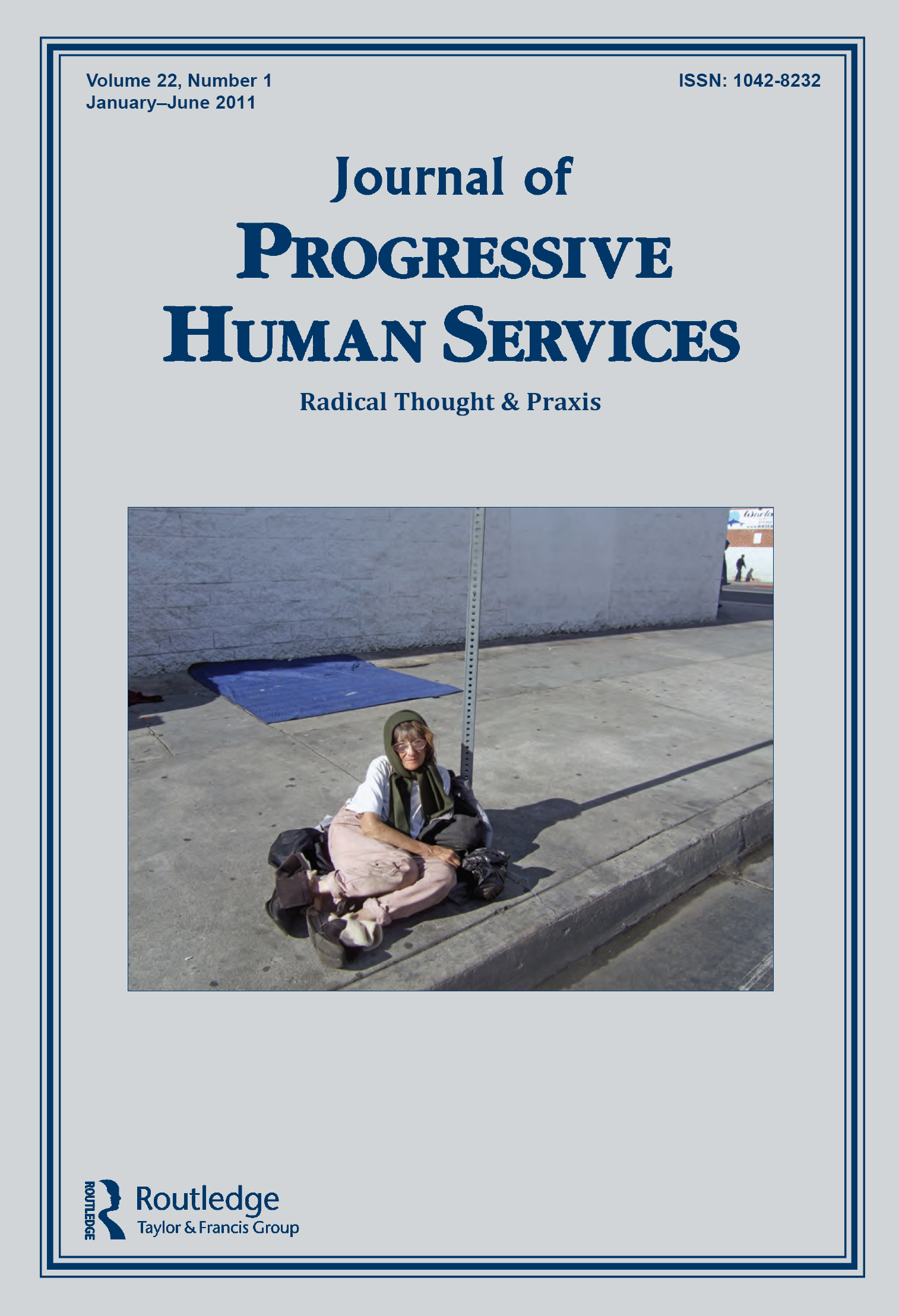
CALL FOR PAPERS: Corporatization of Public Welfare and Academia – Journal of Progressive Human Services
| ||||||||

 Share on Facebook
 Share on Twitter
 Forward to a friend
Subscribe to:
Comments (Atom)